


Advanced Carbon Activation Systems
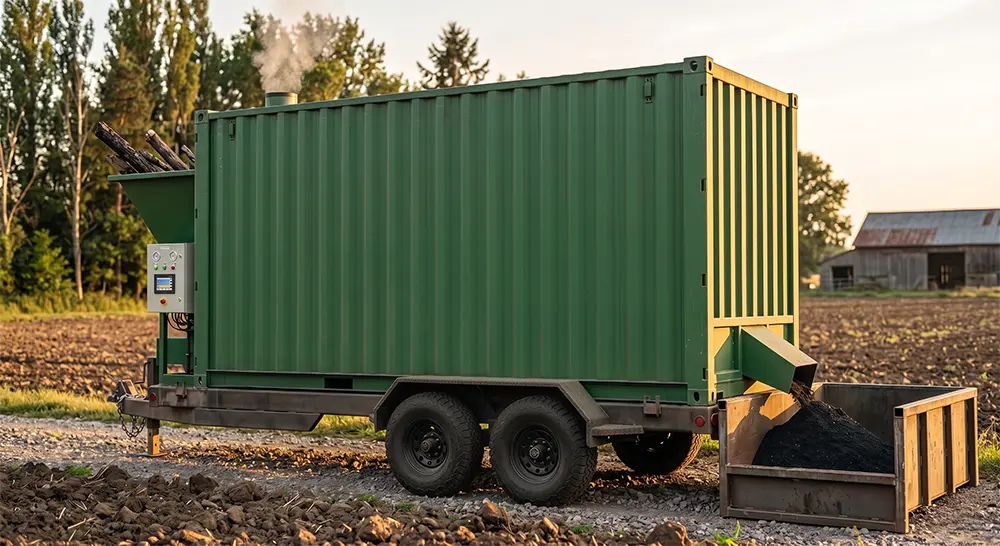
NEXUM Energy replaces traditional energy-focused biomass loops with precision engineering. Our mobile, containerized thermochemical systems isolate atmospheric carbon and transform raw, variable wildfire waste into highly standardized, hyper-porous industrial purification materials.
High-Volume Weight Reduction
Processes moisture-heavy, erratic forest debris at the source to cut down mass by 90% before transport.
Precise Pore Tailoring
Tightly controls high-temperature steam activation loops to engineer specific iodine values.
Zero-Fossil Energy Footprint
Recaptures thermal process off-gases to entirely self-sustain system power requirements.
Verified Permanent Carbon
Locks structural carbon into a highly stable solid form with over 100 years of guaranteed permanence.
THREE-STAGE TECHNOLOGY STACK
Advanced Biomass Conversion
Our modular approach converts heterogeneous wildfire fibre into uniform, high-value products
 01
01
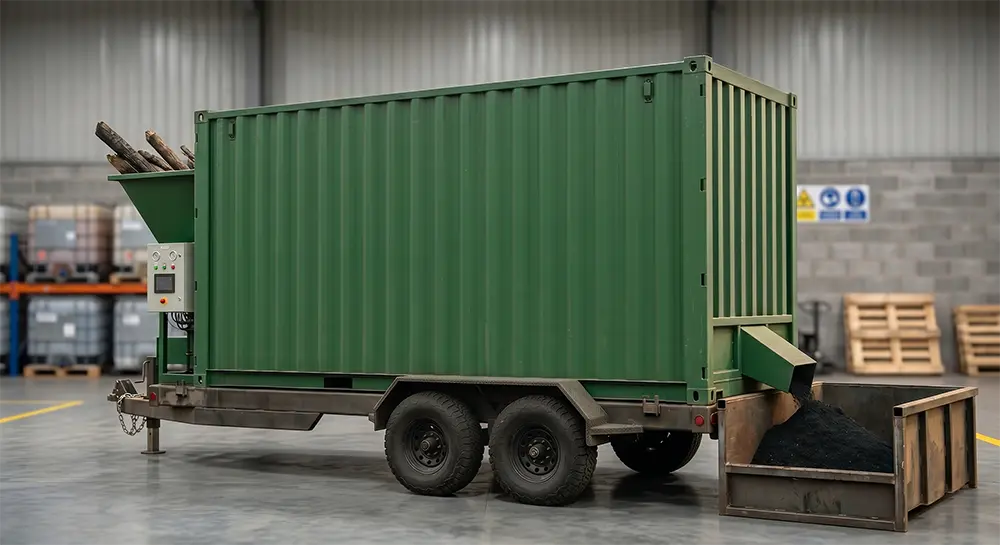
Stage 1: Pyrolysis (Charization Phase)
Thermal carbonization of raw, pre-processed salvage wood in a completely oxygen-depleted reactor environment.
Key Processing Benefits
- Volatiles are cleanly driven off to maximize fixed carbon density.
- Efficiently converts highly variable, low-density wood into a transport-efficient solid.
- Serves as the critical baseline precursor needed for the high-surface activation phase.
- Effectively handles high-moisture salvage wood from remote forestry cleaning zones.
 02
02
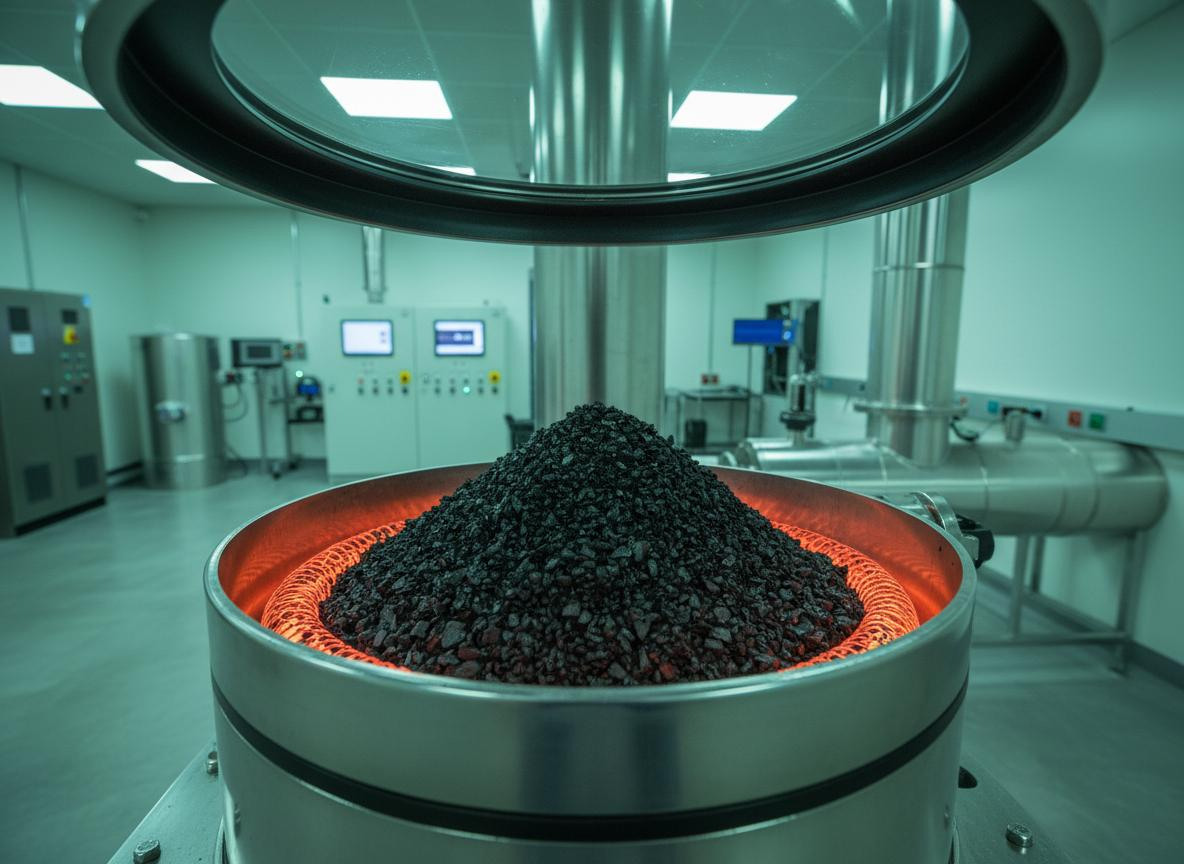
Stage 2: Activation (Pore-Engineering Phase)
High-temperature chemical refining of biochar using clean steam or CO2 injection to flash-burn micro-cavities into the material structure.
Key Processing Benefits
- Steam-driven thermochemical activation forces hyper-porous structural surface networks.
- Yields non-biodegradable, industrial-grade purification carbon with high iodine numbers.
- Maximizes value density, driving product value to $2,000–$4,000 per finished ton.
- Verified Removal Assets: Qualifies for premium Carbon Removal Credits (CORCs) due to proven material permanence.
 03
03
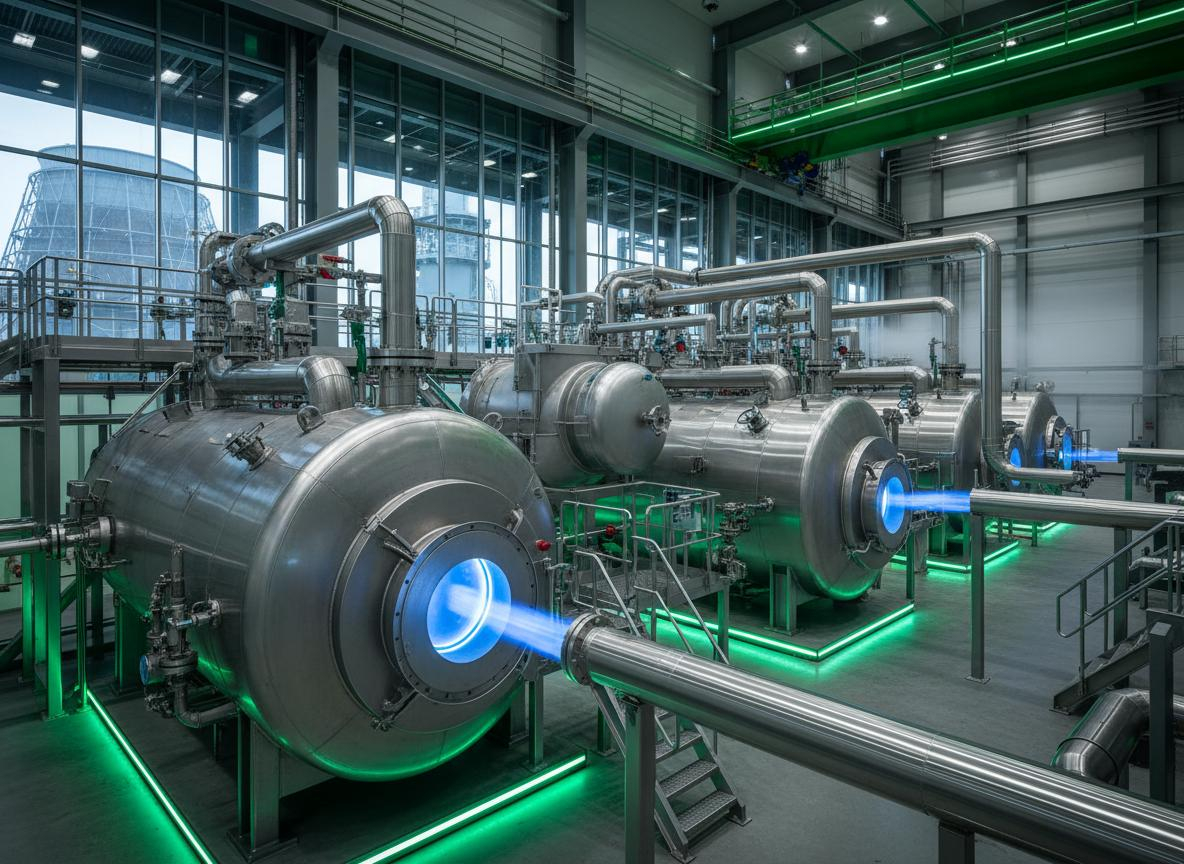
Stage 3: Energy Loop (Syngas Optimization)
Closed-loop redirection of non-condensable high-energy processing gases to run the containerized thermal array.
Key Processing Benefits
- Captures high-energy off-gas (CO, H2, CH4) during thermal processing.
- Feeds gas back into the burners to eliminate the operational costs of external fuels.
- Destroys volatile organic compounds cleanly on-site to simplify field permitting.
- Optimizes mobile operations by completely bypassing the need to manage corrosive biogenic liquids.
A Dual Economic & Environmental Case for Biomass-Derived Activated Carbon
The Economic Case
Biomass-derived activated carbon slashes raw material expenses by replacing volatile petroleum-based precursors with abundant, low-cost biomass wastes — agricultural residues, coconut shells, sawdust, and wildfire salvage. Decentralized production in biomass-rich areas turns geographic disadvantage into a feedstock advantage, lowering logistics costs and creating durable competitive positioning against traditional petroleum-precursor producers.
The Environmental Case
Optimized physical and chemical activation pathways, paired with efficient carbonization processes, deliver high-surface-area carbons with reduced energy consumption and minimal emissions. When integrated into circular economy frameworks and powered by renewable energy, this approach significantly reduces greenhouse gas emissions, supports pollution remediation, and converts carbon-rich biomass into high-demand adsorbents and catalyst supports for global industrial decarbonization.
Audit-Ready Climate Compliance
True technological validation hinges on an ironclad integration of advanced conversion routes with unassailable monitoring, reporting, and verification (MRV) systems. NEXUM’s digital infrastructure tracks biomass feedstock from its exact geospatial coordinates through mobile carbonization loops to final material delivery. This strict level of traceability satisfies the highest international standard criteria—including RED III, RSB, ISCC, and CORSIA frameworks—ensuring that our carbon removal assets offer pristine additionality, verifiable permanence, and zero regulatory risk.
GPS-tagged logs mapping raw material directly from specific forest fire burn scars.
Continuous logging of pyrolysis temperatures and activation residence times.
Standardized checking of H/C ratios, O/C ratios, and surface areas via BET analysis.
Streamlined compliance data ready for rapid credit onboarding with Puro.earth, Verra, and Carbon Streaming loops.
Building a Carbon-Negative Future
Our vision is to deploy mobile Active Carbon manufacturing units across Canada, converting millions of tons of wildfire waste into high value active carbon whikle genberating permanent carbon removal credits and shared prosperity with First Nations communities.